
Creating Functional and Stylish Decks for Your Outdoor Living Space
By Mateo Janssen · · 4 min read
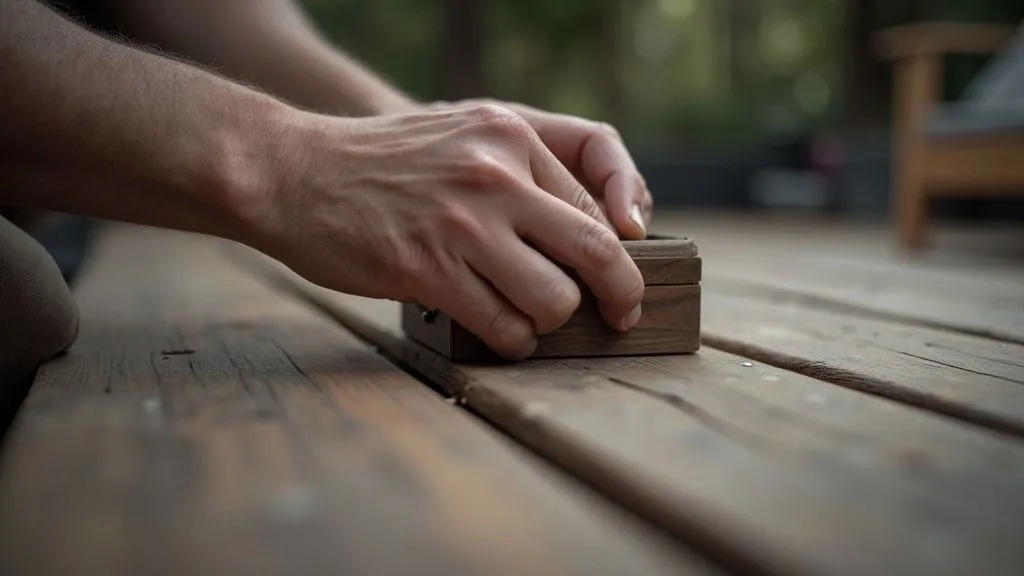
When it comes to enhancing your outdoor living area, a well-designed deck can transform a basic backyard into an inviting retreat. Whether you envision a space for entertaining, relaxing, or simply enjoying nature, understanding the various features and considerations involved in decking can help you achieve that perfect setup.
Understanding Different Deck Materials
The choice of decking material significantly impacts both aesthetic appeal and functionality. The two most common materials are wood and composite, each with its own benefits and drawbacks.
Traditional Wood Decking
Wood decks, particularly those made from cedar, redwood, or pressure-treated lumber, offer a classic look that many homeowners appreciate. The natural beauty of wood can seamlessly blend with the surrounding environment, providing a warm, inviting atmosphere. However, wood requires regular maintenance, including staining and sealing, to protect against weathering and pests.
Composite Decking
Composite decking has gained popularity in recent years for its durability and low maintenance requirements. Made from a blend of recycled materials and wood fibers, composite decks resist fading, staining, and splintering. This option is particularly appealing in regions with varying weather conditions, as it withstands temperature fluctuations better than traditional wood.
Alternative Materials
Beyond wood and composite, homeowners can explore options like PVC, aluminum, or even concrete. PVC decking is entirely synthetic and offers excellent resistance to moisture and UV rays, while aluminum decks are lightweight and long-lasting. Concrete, on the other hand, presents a robust choice for those seeking a more modern aesthetic.
Design Considerations for Your Deck
Once you’ve chosen the material, the next step is designing your deck. To create a functional space, consider your lifestyle and how you plan to use it.
Size and Layout
The size of your deck should reflect how you intend to use it. For larger gatherings, an expansive deck may be beneficial, while a small, intimate area may suffice for quiet evenings. Consider incorporating different levels or zones within your deck design to enhance visual interest and functionality.
Integration with Your Home
Your deck should feel like a natural extension of your home. Aligning the architectural style and color palette of your deck with your house can create a cohesive look. Features like railings, steps, and lighting should complement your home’s design rather than clash with it.
Privacy and Shade
To create a comfortable outdoor environment, consider incorporating elements that provide privacy and shade. Lattice panels, planter boxes, or pergolas can add both style and function. Additionally, strategically placed trees or shrubs can enhance privacy while also serving as natural shade.
Practical Features to Enhance Enjoyment
Once the basic design elements are established, think about practical features that can enhance your outdoor experience.
Built-In Seating
Incorporating built-in seating, such as benches or storage seats, can maximize the space available on your deck. This allows for both comfort and functionality, enabling you to accommodate guests without requiring additional furniture.
Outdoor Kitchen and Bar
For those who love entertaining, adding an outdoor kitchen or bar can make your deck the ultimate gathering spot. Consider integrating a grill, sink, and even a refrigerator for convenience. Completing the setup with bar stools or a dining table can create a seamless transition from cooking to dining.
Lighting
Proper lighting is essential for enjoying your deck after dark. String lights, lanterns, or built-in LED fixtures can create a warm ambiance and ensure safety. Highlighting pathways or steps with lighting can also enhance visibility while adding to the overall aesthetic.
Safety Considerations
Safety should never be overlooked when designing a deck. Ensure that your deck complies with local building codes and regulations, particularly regarding load capacity, railing height, and stair design.
Railings
If your deck is elevated, sturdy railings are a must. They not only provide safety but can also enhance the overall look of your space. Choose materials that match your deck and consider incorporating glass panels for unobstructed views.
Slip-Resistant Surfaces
To minimize the risk of slips and falls, particularly in wet conditions, select decking materials with slip-resistant finishes. This is especially important around pools or hot tubs, where water can create hazardous situations.
Maintenance and Longevity
Keeping your deck in top condition will ensure you can enjoy it for years to come.
Regular Cleaning
All decks require regular cleaning to remove dirt, debris, and mildew. For wood decks, this may include washing with a gentle cleanser and resealing every few years. Composite and PVC options typically require less upkeep, but they should still be regularly swept and hosed down.
Inspections
Conducting seasonal inspections can help identify potential issues before they escalate. Look for signs of wear, such as loose boards, rusted fasteners, or faded spots. Addressing these concerns early can save time and money down the line.
Budgeting for Your Deck
Planning a budget for your deck project is crucial. Costs can vary widely based on materials, size, and additional features.
Material Costs
When estimating costs, take into account not just the price of materials themselves but also labor, installation, and any additional features you wish to include. Composite decking might have a higher upfront cost compared to wood, but its longevity can justify the investment over time.
Design Features
Incorporating special features like built-in seating, lighting, or an outdoor kitchen will add to the overall price. It’s essential to prioritize what features matter most to you and what fits within your budget.
DIY vs. Professional Installation
Deciding between a DIY project and hiring a professional can significantly influence your budget. While DIY can save money, ensure you have the necessary skills and tools. For more complex designs, hiring professionals may be a better investment.