
Proven Strategies for Successfully Renovating an Old House
By Mateo Janssen · · 4 min read
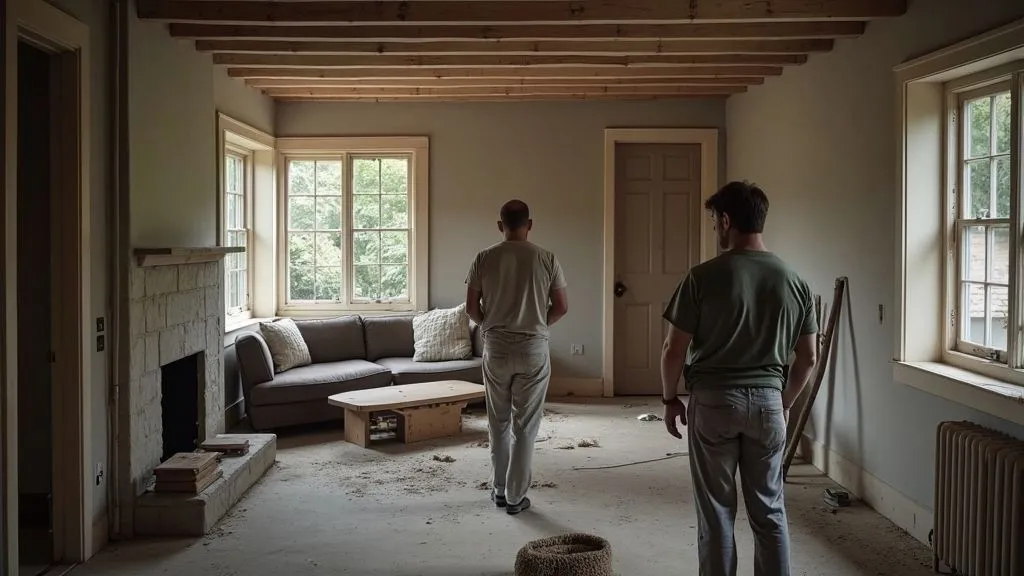
Renovating an old house can be an exhilarating yet daunting task. The charm of vintage architecture, combined with the possibility of modern upgrades, makes these projects especially appealing. However, they come with unique challenges that require careful planning and execution. Here are some valuable strategies to consider when embarking on this rewarding journey.
Understand the History and Structure
Research Your Property
Before you pick up a hammer, take the time to understand the history of your home. Discover when it was built, the architectural style, and any significant modifications that have been made over the years. This information can guide your renovation decisions and help you preserve the home’s character.
Inspect the Structure
Hire a professional to conduct a thorough inspection of your property. Pay close attention to foundational issues, roofing, plumbing, and electrical systems. Understanding the structural integrity of your home is crucial; it will inform your renovation budget and timeline.
Plan with Purpose
Set a Realistic Budget
Creating a budget might seem straightforward, but when it comes to old houses, unexpected expenses can arise. Account for both the essential repairs and the aesthetic enhancements you wish to make. Include a contingency fund of at least 10-20% to cover surprises that may occur during the renovation.
Develop a Timeline
Renovating an old house often takes longer than anticipated. Develop a timeline that allows for flexibility, considering potential setbacks such as delays in material delivery or unforeseen structural issues. A well-thought-out schedule will help keep your project on track and reduce stress.
Prioritize Preservation
Maintain Original Features
One of the greatest appeals of an old home is its unique features, such as crown moldings, hardwood floors, or decorative fireplaces. Whenever possible, focus on restoring rather than replacing these elements. Preserving original details not only retains the home’s character but also adds value.
Use Appropriate Materials
When making repairs or upgrades, choose materials that are in line with the house’s era. For example, if you’re working on a Victorian home, select period-appropriate fixtures and finishes. This attention to detail can make a significant difference in maintaining the overall aesthetic integrity of your home.
Focus on Functionality
Modernize Key Systems
While old houses are filled with charm, their systems may not meet today’s standards. Upgrading electrical wiring, plumbing, and HVAC is vital for safety and efficiency. Investing in modern systems can lead to significant long-term savings and improve your home’s comfort.
Create Open Spaces
Older homes often have closed-off rooms that can feel cramped. Consider opening up spaces where feasible, such as removing non-load-bearing walls. This can create a more modern, fluid living environment while allowing for better natural light and airflow.
Incorporate Energy Efficiency
Upgrade Windows and Insulation
Older windows may be charming, but they can also let a lot of heat escape. Consider upgrading to energy-efficient windows or installing storm windows to enhance insulation. Additionally, adding or upgrading insulation in walls and attics can significantly improve your home’s energy efficiency.
Install Energy-Efficient Appliances
When updating your kitchen or laundry area, opt for energy-efficient appliances. Look for the Energy Star label, which indicates that the appliance meets energy efficiency guidelines. Not only will this reduce your carbon footprint, but you’ll also save on utility bills over time.
Engage Professional Help
Hire Specialized Contractors
Renovating an old house often requires specialized knowledge. Engage contractors who have experience working with older homes. They will understand the nuances involved in maintaining the character of the house while bringing it up to code.
Collaborate with an Architect
If your renovations are extensive, collaborating with an architect can be beneficial. They can help you design plans that respect the house’s historical aesthetic while meeting your modern needs. An architect can also assist in obtaining necessary permits and ensuring compliance with local regulations.
Consider Smart Home Technology
Integrate Smart Solutions
Old houses can greatly benefit from modern technology. Consider integrating smart home solutions, such as thermostats, lighting, and security systems. These features not only add convenience but can also improve energy efficiency and safety.
Balance Technology with Tradition
While it’s tempting to fill your home with the latest gadgets, strive for a balance. Ensure that modern technologies do not clash with the vintage character of your home. Incorporating discreet wiring and maintaining the aesthetic appeal can harmonize tradition with innovation.
Document Your Journey
Keep a Renovation Journal
Documenting your renovation journey can be both rewarding and practical. Take before-and-after photos to appreciate your progress and keep a record of design choices, expenses, and challenges. This journal can serve as a valuable resource for future renovations or maintenance.
Share Your Experience
Engage with others who are renovating old homes through social media or local forums. Sharing tips, challenges, and successes can provide support and inspiration. Additionally, this community can offer advice and practical solutions based on their own experiences.